
2026-04-15
Global Marketing Trends 2026
A new era of marketing is beginning.

A year of efficiency over novelty, systems over campaigns, and trust over attention
The end of marketing as we knew it
AI is reshaping creativity, trust is becoming a precious asset, channels are fragmenting and consumer attention is narrowing. Pressure on marketing keeps growing. Yesterday’s strategies may not survive tomorrow: marketing is being rewritten from its foundations.
Planning more campaigns, producing more content and adding more channels no longer suffice in today’s fast AI-driven environment. Expectations change faster, technology shortens decisions and economic pressure demands accountability. Marketing is shifting from managing campaigns to designing systems.
Slower growth, weaker purchasing power and falling marketing investment make constraints as influential as innovation. Companies that adapt quickly to AI and changing behaviour can turn these challenges into advantages.
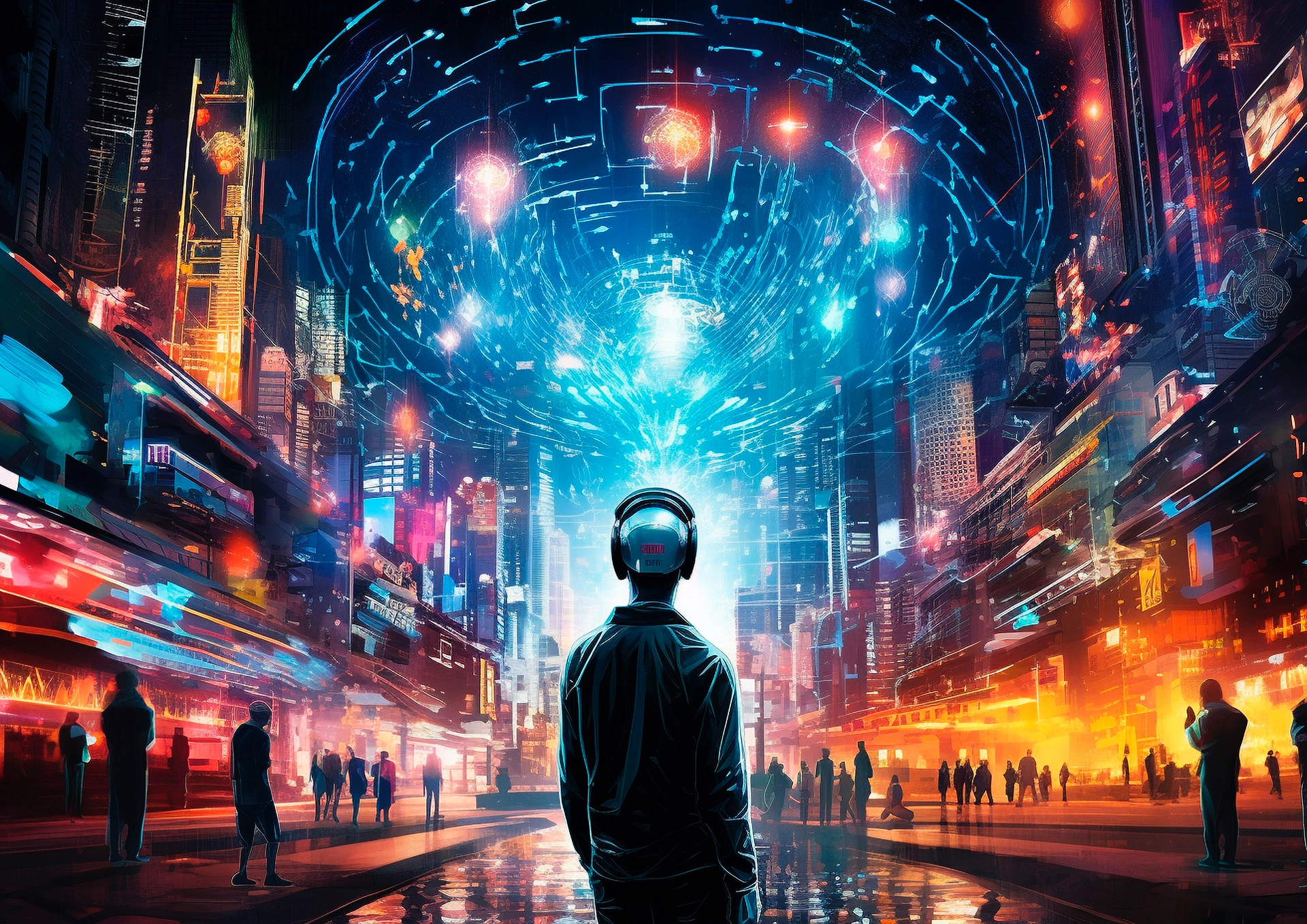
Consumers are changing
Consumers evolve faster than companies can adapt. What they value, how they decide and who influences them keep changing. Technology accelerates this, shortens decision cycles and raises expectations. The result is more selective behaviour, rather than confusion.





AI will change marketing not only what it does, but how it works.
As consumers become more discerning and expectations rise, systems must adapt in real time. Generative AI, automation and real-time data platforms are changing how marketing works, whom it serves and how quickly decisions happen. Examples cited include 48% revenue growth through targeting, 100-fold faster content production and 300-fold faster article preparation.
Ten major trends shaping marketing in 2026
1. From campaigns to AI-powered systems
Marketing is moving beyond planning and executing campaigns. It is becoming an always-on, data-driven system that continuously improves itself. Growth is no longer left to plans or chance: it is engineered.
Forbes describes a shift from campaign management to AI-powered system design.
Always-on growth engines respond to behaviour and market signals in real time, supporting growth independently of campaign cycles. Marketing is evolving from a series of projects into a continuous platform.
Teams are replacing one-off advertising plans with living systems that learn and optimise. Their focus extends beyond content creation to intelligent infrastructure that supports revenue growth.
Marketing is a living system that keeps learning and evolving.
2. AI becomes marketing’s operating system
Seeing AI only as an assistant misses its growing role as the operating layer for content, customer experience, decisions and revenue optimisation. Deloitte describes an end-to-end orchestration engine linking processes. Brands built to operate on AI, rather than merely use it, are entering a new era.
3. Human value shifts from execution to judgement
Combining AI’s speed with human creativity is central to creative marketing in 2026. AI accelerates production, while emotion and storytelling remain essential sources of brand distinction.
AI lowers execution costs and enables speed and scale, changing the value people contribute. As Adweek argues, the question shifts from whether AI replaces people to what makes people valuable. Advantage lies in sound decisions, clear direction and cultural sensitivity that AI alone cannot provide, rather than simply doing more work faster.
4. Discovery moves from search to scrolling, then AI
Discovery is changing fundamentally. Research from the American Marketing Association points to feeds, communities and AI conversations as routes to brands alongside search. Kantar positions generative engine optimisation, GEO, as a new SEO. Brands need content that AI can understand, cite and recommend, not simply display.
Consumers will increasingly shop through AI agents that make decisions on their behalf, beyond using search engines alone.
The American Marketing Association’s Future Trends 2026 describes AI moving beyond chatbots to agents that research products, compare prices and make purchases. In this context, Adweekemphasises answer engine optimisation, AEO, and the importance of brand visibility within AI answers alongside SEO.
5. Brands must win over AI agents as well as people
AI agents form a new decision-making layer acting for consumers. International research suggests many AI users already base buying decisions on AI recommendations.
Brands must appeal to people while also meeting the criteria to be recognised, cited and recommended as a suitable choice by AI. Competition increasingly involves earning algorithmic trust as well as human attention.
6. Content becomes unlimited; distinction becomes scarce
AI makes content production almost unlimited, while real distinction becomes harder to find. Adweek notes that AI has not eliminated creativity, but has lowered the value of merely having a good idea. Differentiation matters more than volume.
When content is abundant, quality alone is not enough. Meaning, cultural relevance and authenticity distinguish brands more than technical perfection or speaking louder than similar content.
7. Trust is a brand’s most valuable asset
In a world of AI, deepfakes and excess information, consumers become cautious and trust becomes scarce. Brands that fulfil their purpose through action earn confidence, stronger valuations and resilience. Deloitte describes trust as a new value that drives purchases and strengthens relationships.
Data privacy and ethical AI use will become key measures of brand value.
Storytelling alone is insufficient. Consumers demand evidence, transparency and ethics. Strong brands shift towards proof-based marketing, defining value through verifiable claims, consistent action and responsible data use.
Trust is a business asset, not just an image issue. Building it takes years; losing it may take moments.
Brands need human-to-human relationships, H2H, and must demonstrate authenticity.
8. Marketing is an investment, not just a cost
Marketing must prove its contribution. At CFO level, customer acquisition cost, payback period and revenue impact become the common language. Tolerance for ineffective spending shrinks and appearance-led decisions lose ground. This goes beyond reporting formats: marketers must act as strategic partners accountable for business results.
9. From target audiences to communities
From audience to community
Consumers are tired of generic sales content and seek more personal experiences and communities built around shared interests.
Mass marketing weakens as micro-communities grow. People value trusted local connections and belonging over broad advertising. Kantar links these communities with measurable ROI and higher trust. Competition is about belonging, not reach alone: people want to be part of a brand.

Lululemon’s rise from a small Vancouver yoga studio to a global lifestyle brand is a story of building a powerful community, not only selling sportswear.
10. Organisational structure becomes strategy
Team structure is becoming a competitive advantage. A good strategy needs the right organisation. Hierarchies struggle with AI’s speed; flexible, cross-functional AI-enabled teams improve decisions and adaptation. Large departments are giving way to agile, results-focused teams. Structure itself becomes strategy.
Conclusion: a new era of marketing begins
Success in 2026 means doing the right things faster with smarter systems, not simply doing more. Future competition is for attention and, increasingly, earning algorithmic trust and becoming part of the decision-making chain.
As AI starts making decisions, brands must be recognised as well as visible. If your brand
- cannot be understood by AI, consumers may never see it.
- Without trust, algorithms will not recommend it.
Brands now need to connect with people while also marketing to algorithms. If your brand is absent from an AI agent’s recommended options, you may lose the opportunity to be chosen.These are the new rules of the game.
Spot Agency
Empowering brands for the AI-driven future.
Sources for Marketing Trends 2026: Deloitte, Dentsu, Kantar, Forbes, American Marketing Association, AdweekBuild your business systems
Develop your team